

A Worn Mack MP8 Turbo Can Turn Hauling Power Into Downtime
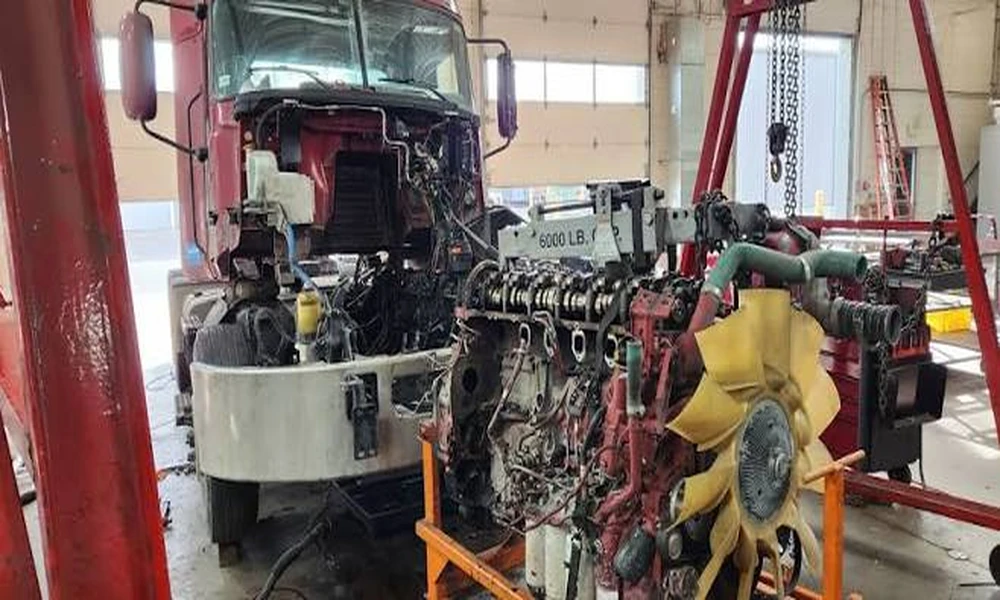
Heavy trucks earn money when they move freight, not when they sit in a service bay waiting on parts. For fleets running Mack MP8-powered equipment, the turbocharger has a direct effect on pulling strength, fuel use, exhaust temperature, and driver confidence on long grades. When it starts to wear, the truck may still run, but it often runs with less margin.
That is where downtime begins quietly. A driver notices slower throttle response. A dispatcher hears about weak hill climbs. Fuel records show a truck slipping from its usual miles per gallon. None of those signs may feel urgent on their own, but together they can point to a turbocharger that is no longer keeping up with the engine’s workload.
Power Loss Is More Than a Driver Complaint
A tired turbocharger does not just make a truck feel sluggish. It changes how the engine handles air, heat, and load. When boost pressure drops, the engine may work harder to produce the same pulling power. That can raise exhaust gas temperatures, increase soot output, and put more strain on nearby components.
For a truck hauling regional freight through mountain passes, construction corridors, or stop-and-go industrial routes, that loss matters. A few seconds of lag leaving a jobsite can affect safety. A truck that cannot hold speed on a grade may miss a delivery window. A vehicle that needs repeated shop visits can force a fleet owner to reshuffle routes, rent equipment, or disappoint a customer.
The beneficiary of a healthy turbo system is not only the driver. It is the dispatcher trying to keep schedules tight, the maintenance manager controlling repair spend, and the business owner watching revenue per truck.
Common Signs That the Turbocharger Needs Attention
Turbo problems often build gradually, which makes them easy to rationalize. A driver may blame poor acceleration on a heavy load. A fleet manager may attribute fuel changes to weather, tire pressure, or route mix. Those factors can play a role, but recurring symptoms deserve a closer look.
Warning signs can include:
- Noticeable loss of pulling power under load
- Excessive black, blue, or gray exhaust smoke
- Whining, scraping, or siren-like noises during acceleration
- Higher-than-normal fuel consumption
- Oil leaks around the turbocharger or charge air piping
- Check engine lights tied to boost or air management faults
- Elevated exhaust temperatures on long pulls
Seasonal changes can make these issues more visible. In summer heat, a weak turbo system has less room for error under heavy loads. In winter, oil viscosity, cold starts, and condensation can expose wear that went unnoticed during milder months.
Replacement Timing Can Protect the Rest of the Truck
Waiting until a turbocharger fails completely can turn a manageable repair into a larger problem. If the unit sheds material, leaks oil heavily, or allows uncontrolled airflow issues, the damage may spread. Intercooler contamination, exhaust aftertreatment stress, and engine performance faults can all increase the final bill.
That is why many fleet owners treat turbocharger health as a planned uptime decision instead of an emergency repair. Sourcing the right Mack MP8 Turbo before a truck is stranded can help keep maintenance scheduled, predictable, and less disruptive.
A planned replacement also gives the shop time to inspect related parts. Charge air boots, clamps, oil supply lines, exhaust connections, sensors, and the air filter system all affect turbo life. Installing a fresh unit without correcting a restricted intake, oiling issue, or leaking charge pipe can shorten the life of the replacement.
The Real Cost Is Lost Capacity
For small and midsize fleets, one down truck can create pressure fast. A single day out of service may mean a missed delivery, overtime for another driver, or a rental truck that eats into profit. For owner-operators, downtime can be even sharper because the same vehicle supports both work and income.
The repair invoice is only one part of the cost. The larger risk is lost capacity during the exact week the truck is needed most. Harvest season, road construction peaks, holiday freight surges, and regional storm recovery can all increase demand. A truck that fails during those windows can cost far more than the part itself.
Keeping Hauling Power Predictable
A turbocharger should support the engine without calling attention to itself. When the truck pulls cleanly, responds consistently, and stays within normal operating temperatures, drivers can focus on the road and managers can focus on the schedule.
The practical move is to take early symptoms seriously. Track fuel economy by unit. Listen to driver reports. Investigate boost-related codes instead of clearing them repeatedly. Inspect for oil leaks, damaged piping, and abnormal turbo noise during routine service.
For fleets that depend on Mack MP8-powered trucks, maintaining turbocharger performance is not about chasing extra horsepower. It is about keeping hauling power predictable, repair costs controlled, and trucks available when customers are waiting.