
How Protective Films Prevent Surface Damage in Car Body Production
In modern automotive manufacturing, maintaining flawless surface quality is no longer optional-it is a defining factor of brand perception and product value. From glossy painted panels to brushed aluminum trims and high-gloss interior elements, even the smallest scratch can lead to costly rework, rejected parts, or customer dissatisfaction.
To address these challenges, temporary protective films have become an essential solution throughout car body production.
The Challenge of Surface Damage in Automotive Production
Car body manufacturing involves multiple complex stages, including stamping, welding, painting, assembly, and transportation. At each step, surfaces are exposed to potential damage risks such as:
- Mechanical scratches from tools, conveyors, or human handling
- Abrasion caused by dust, metal particles, or friction between components
- Chemical contamination from oils, coolants, or cleaning agents
- Impact damage during stacking, storage, or logistics
These risks are especially critical for high-end finishes such as metallic coatings, mirror-like trims, and coated plastics. Once damaged, surfaces often require polishing, repainting, or even replacement-significantly increasing production costs and cycle time.
What Are Protective Films?
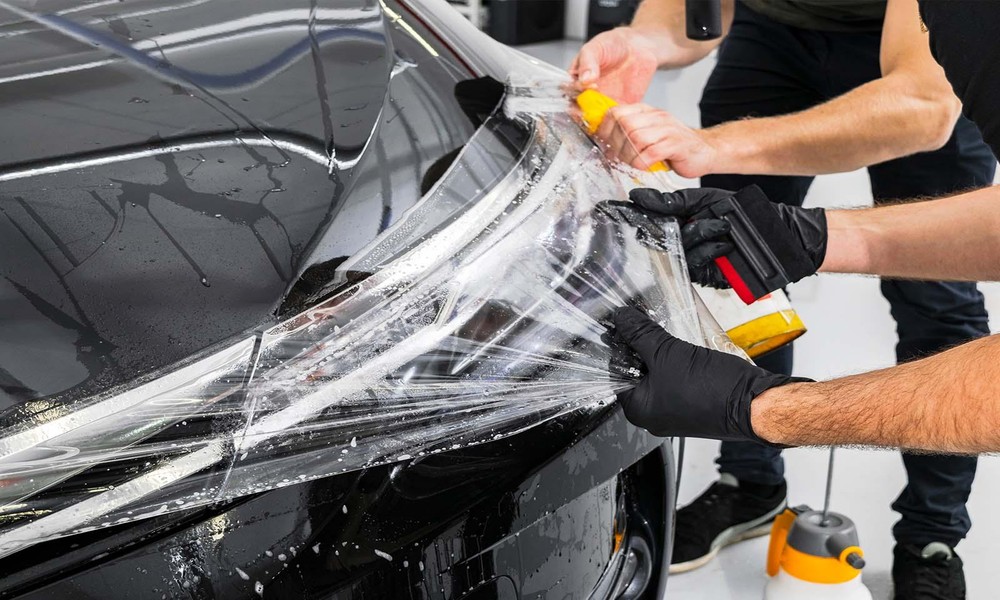
Protective films are thin, adhesive-backed materials applied to surfaces to shield them from damage during processing, handling, and transportation. Typically made from polyethylene (PE), polypropylene (PP), or polyethylene terephthalate (PET), some PE protective films or PET protective films are engineered to provide a balance between secure adhesion during use and clean removal without residue.
Depending on the application, protective films can be customized in terms of thickness, adhesion strength, transparency, and surface finish. This flexibility allows manufacturers to protect a wide range of automotive components without compromising efficiency.
Key Ways Protective Films Prevent Surface Damage
1. Barrier Against Physical Damage
Protective films act as a physical shield between the surface and external forces. During stamping and forming, films reduce direct contact between metal sheets and tooling. In assembly lines, they prevent scratches caused by robotic arms, fixtures, and manual operations.
2. Resistance to Abrasion and Particles
Dust and metal debris are common in automotive plants and can easily cause micro-scratches. Protective films create a sacrificial layer that absorbs abrasion, preserving the integrity of the underlying surface.
3. Protection During Painting and Finishing
Even after painting, surfaces remain vulnerable. Protective films help maintain paint quality by preventing contamination, fingerprints, and minor impacts before final inspection and delivery.
4. Chemical Protection
Automotive production involves exposure to oils, solvents, and cleaning agents. High-quality films offer chemical resistance, preventing stains or degradation of sensitive coatings.
5. Safe Handling and Transportation
From the production line to storage and shipping, car body parts are frequently moved and stacked. Protective films reduce friction and cushion minor impacts, ensuring parts arrive in perfect condition.
Critical Performance Features of Automotive Protective Films
To be effective in car body production, protective films must meet several stringent performance requirements:
1. Controlled Adhesion
The film must adhere firmly enough to stay in place during processing, yet allow easy removal without leaving adhesive residue or damaging the surface. This balance is crucial for maintaining productivity and quality.
2. Heat Resistance
During processes such as painting, drying, or thermoforming, surfaces may be exposed to elevated temperatures. Protective films must resist heat without shrinking, melting, or degrading.
3. Clean Removal
One of the most critical requirements is residue-free removal. Any adhesive transfer can compromise the final finish and require additional cleaning steps.
4. Surface Compatibility
Automotive components include a wide variety of materials-painted steel, aluminum, plastics, and coated surfaces. Protective films must be compatible with all these substrates without causing discoloration or surface defects.
5. Durability and Flexibility
Films must withstand mechanical stress, bending, and stretching without tearing or lifting, especially on complex geometries and curved surfaces.
Benefits for Automotive Manufacturers
The use of protective films delivers measurable advantages across the production process:
- Reduced rework and scrap rates, leading to significant cost savings
- Improved production efficiency by minimizing interruptions for repairs
- Enhanced product quality and consistency, ensuring premium surface finishes
- Lower risk during logistics, protecting parts throughout the supply chain
- Sustainability benefits, as fewer damaged parts mean reduced material waste
In highly competitive automotive markets, these benefits translate directly into improved profitability and stronger brand reputation.