

Car Oil Pressure Sensor and Its Influence on Engine Reliability
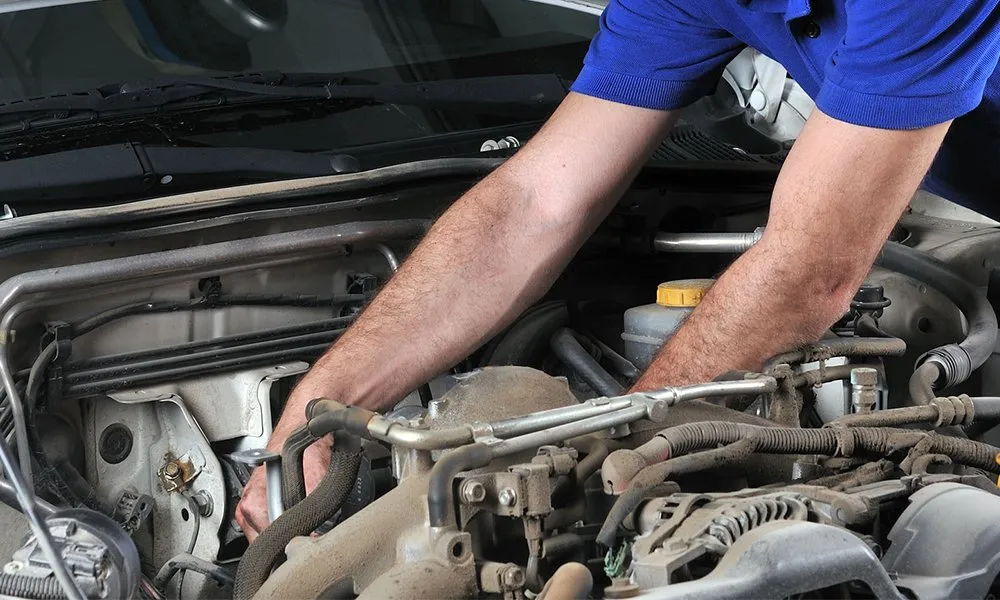
The engine remains the heart of every modern vehicle. This complex machine relies on constant lubrication to stay cool. Oil flows through small passages to reach moving metal parts. A tiny component called the oil pressure sensor monitors this flow. It tracks the force of the oil moving through the engine. This part sends signals directly to the dashboard of the car. Drivers see a small light when the pressure drops low. Ignoring this warning leads to massive damage very quickly. Maintaining this system ensures the car runs smoothly for years. Experts at Texan Auto Complete Auto Repair recommend checking this sensor during every regular service.
The Critical Role of Oil Pressure
Proper pressure keeps the metal surfaces from touching each other. Thick oil creates a thin film between the heavy spinning parts. This film prevents friction from creating too much intense heat. The oil pressure sensor detects any changes in this vital force. Sometimes the pump fails and the pressure disappears almost instantly. Now the sensor alerts the driver to stop the vehicle immediately. This fast reaction saves the engine from total internal destruction. You must trust the sensor to protect your expensive investment. The professionals at Texan Auto Complete Auto Repair understand how these small electronic parts work.
How Sensors Influence Overall Reliability
Reliable engines depend on accurate data from every electronic system. A faulty sensor might give a false reading to the driver. This confusion prevents the owner from knowing the true status. Sometimes the light flickers because the sensor has a leak. Now the engine might actually have plenty of good oil. But the driver feels worried about a potential mechanical failure. Frequent testing of the sensor improves the overall vehicle lifespan. Most drivers overlook this small part until a problem appears. Quality service from Texan Auto Complete Auto Repair includes a full scan of these electronics.
Signs of a Failing Oil Pressure Sensor
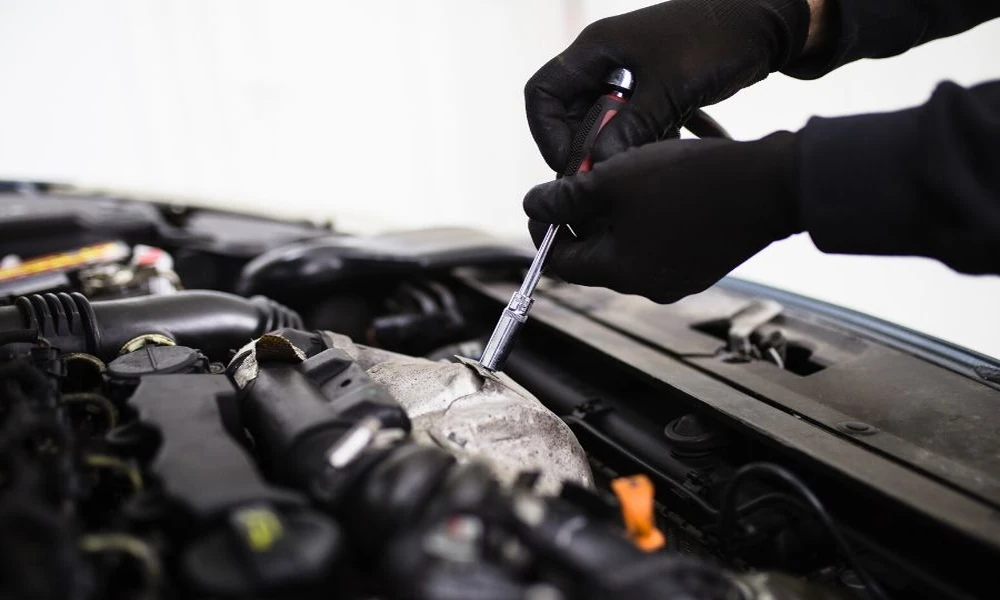
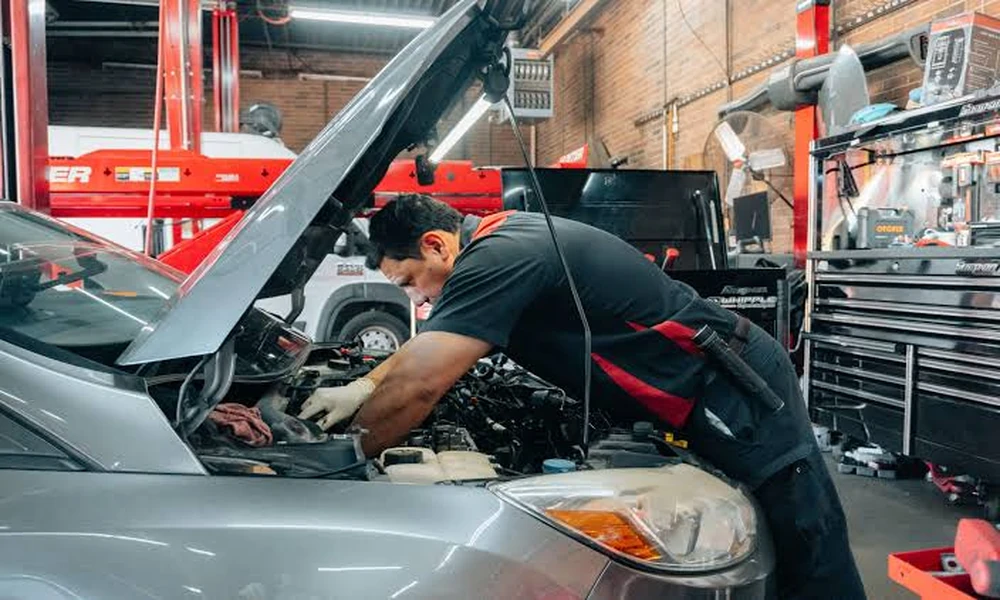
The dashboard light might blink without any clear rhythmic pattern. You might notice the oil gauge jumping around very strangely. Sometimes the light stays on even after adding fresh oil. These symptoms suggest the internal diaphragm has finally worn out. Dirt and heat eventually degrade the delicate wires inside the unit. A failing sensor creates a lot of unnecessary stress for drivers. Precise diagnostics help identify the exact cause of the flicker. Efficient Auto Repair in Sugar Land, TX begins with finding the source of the trouble. Modern tools make this process fast and very accurate today.
Protecting the Engine Through Better Maintenance
Clean oil keeps the sensor tip free from heavy sludge. Old oil contains tiny metal bits and thick black carbon. These particles clog the small opening on the sensor body. So regular oil changes help the sensor stay very sensitive. The engine stays quiet when the oil pressure remains steady. You should listen for any clicking sounds from the valves. Noise often indicates the oil is not reaching the top. Proper maintenance prevents these expensive mechanical issues from ever starting. A healthy sensor reflects a well-maintained and strong engine system.