
Getting More From A European Performance Car With APR Tuning
European performance cars are often engineered with an impressive combination of power, refinement, technology, and everyday usability. Turbocharged engines, sophisticated transmissions, advanced electronic controls, and carefully developed chassis systems allow these vehicles to deliver an engaging experience straight from the factory. Still, factory calibration must account for many different driving environments, fuel qualities, regulations, and ownership conditions.
For drivers interested in exploring additional performance, APR tuning offers a way to modify certain electronic settings and make better use of the capabilities already built into a vehicle. Rather than viewing tuning simply as a pursuit of maximum horsepower, it can be approached as part of a balanced performance strategy that considers response, torque delivery, transmission behaviour, and supporting components.
Understanding The Role Of Factory Calibration
Modern European vehicles rely heavily on electronic management. The engine control unit manages factors such as boost pressure, ignition timing, fuelling, throttle behaviour, and numerous safety parameters. Automatic and dual clutch transmissions also use sophisticated software to determine shift behaviour and torque management.
Manufacturers develop these settings to suit a broad range of customers and operating conditions. A vehicle may need to perform reliably in different climates, on varying fuel qualities, and under very different driving styles.
Performance tuning changes selected calibration parameters within this electronic framework. The objective is generally to improve the way the engine uses its available hardware while maintaining a controlled and predictable driving experience.
Performance Is About More Than Peak Horsepower
Horsepower figures tend to receive the most attention when people discuss vehicle tuning, but peak output tells only part of the story. A car can become noticeably more enjoyable without focusing exclusively on its maximum power figure.
Improved torque delivery can make acceleration feel stronger during everyday driving. Changes in throttle response may help the engine react more quickly when the accelerator is pressed. A broader and more usable powerband can also make overtaking and highway driving feel more effortless.
This is particularly relevant for turbocharged European cars because their engines can respond significantly to carefully developed software changes.
Matching The Tune To The Vehicle
Not every European performance car requires the same approach. Engine design, turbocharger configuration, transmission type, existing modifications, fuel requirements, and intended use can all influence the appropriate tuning strategy.
A largely standard daily-driven vehicle may need a different setup from a car equipped with upgraded intake, cooling, or exhaust components. Similarly, a vehicle used primarily on public roads will have different priorities from one prepared for regular track driving.
Before tuning, the condition of the vehicle should also be considered. Existing mechanical problems should be identified rather than expecting software modifications to compensate for worn or faulty components.
Considering Transmission Performance
Engine tuning is only one part of the performance equation. Many European vehicles use sophisticated dual clutch or automatic transmissions that communicate continuously with the engine management system.
When engine output changes, transmission behaviour can become increasingly important. Appropriate transmission calibration may alter shift strategies, torque limits, gear selection, and other characteristics depending on the vehicle and available software.
The goal should be coordination. Stronger engine performance is more useful when the transmission can deliver that power smoothly and predictably.
Supporting Hardware Can Matter
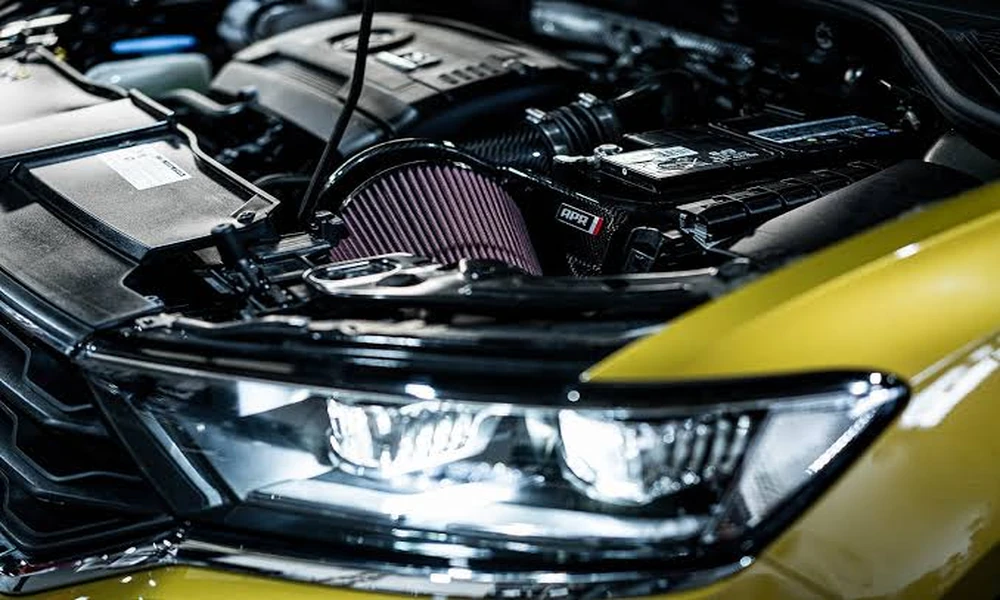
Software can make a substantial difference, but hardware remains an important consideration as performance goals increase. Depending on the vehicle and tuning level, upgrades involving airflow, cooling, exhaust components, or other systems may become relevant.
For example, additional heat can be generated when an engine is operated at higher performance levels. An improved intercooling system may help manage intake temperatures during demanding driving. Likewise, certain performance stages may be designed around specific supporting modifications.
This is why upgrades should be planned as a complete system rather than as unrelated individual parts.
Fuel Quality And Maintenance Remain Important
Performance tuning does not reduce the importance of routine maintenance. In fact, maintaining the vehicle properly becomes particularly important when asking more from its drivetrain.
Correct engine oil, healthy ignition components, proper cooling system operation, and recommended servicing all contribute to consistent performance. Drivers should also follow the fuel requirements associated with the calibration being used.
Using a fuel grade that does not match the requirements of a particular tune can affect performance and may create unnecessary operating concerns.
Preserving Everyday Drivability
A successful performance upgrade does not necessarily need to make a European car uncomfortable or difficult to use. For many owners, the attraction of these vehicles is their ability to combine performance with refinement.
A thoughtfully selected tune can focus on stronger acceleration and improved response while allowing the vehicle to remain suitable for commuting, highway travel, and ordinary daily use. The appropriate setup depends on the owner’s expectations rather than simply choosing the most aggressive option available.
Taking A Planned Approach To Performance
Getting more from a European performance car is ultimately about understanding how its different systems work together. Engine software, transmission behaviour, fuel quality, cooling, maintenance, and supporting hardware can all influence the final result.
APR tuning can form part of this broader approach by allowing compatible vehicles to operate with performance-focused calibration rather than relying solely on conservative factory settings. When the vehicle’s condition, intended use, and supporting components are considered together, tuning can become a measured way to explore additional capability while preserving the qualities that make European performance cars enjoyable in the first place.