Assessing Security Needs When Choosing Armored Vehicles in Ghana
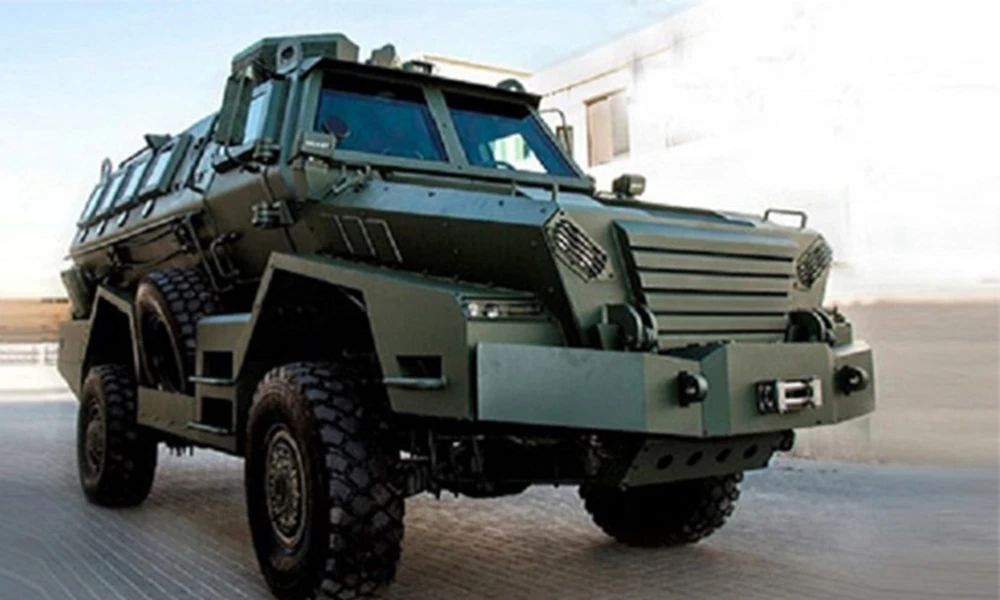
Navigating Ghana’s bustling roads while safeguarding assets and lives isn’t just about strong locks and tinted windows. For executives, mining sector professionals, or families with elevated security concerns, the need for armored vehicles has become a matter of both practicality and peace of mind.
Understanding Security Challenges in Ghana
Rising prosperity has brought both opportunity and risk to Ghana’s cities and regions. While Accra may be a model of relative stability, the threat landscape is always evolving.
Key Security Threats Facing Individuals and Businesses
Armed robberies, targeted attacks on high-profile individuals, and opportunistic crimes remain concerns, especially for those transporting valuables, working in extractive industries, or serving as diplomats. Rural areas can pose additional challenges, with less predictable infrastructure and response times.
Impact of Ghana’s Economic and Political Landscape on Security Needs
Ghana’s status as a regional business hub means increased movement of people and resources. Political stability has generally improved, but sporadic unrest, especially during election seasons or in resource-rich sectors, can prompt organizations to review their security protocols.
Overview of Armored Vehicle Types Available in Ghana
The type of armored vehicle you select depends largely on your profile, route, and daily demands.
Armored SUVs: Versatility and Family Protection
SUVs dominate Ghana’s armored vehicle market because they blend presence, off-road capability, and ample passenger space. These vehicles are well suited for both executives and families who need to traverse city and rural roads with confidence.
Armored Sedans: Executive and VIP Transport Solutions
When discretion and urban maneuverability are top priorities, armored sedans offer a lower profile without sacrificing ballistic protection, making them ideal for diplomatic trips and inner-city commutes.
Specialized Vehicles for Industry Use
Mining operations and critical infrastructure projects face unique risks, often requiring reinforced SUVs or trucks engineered for remote travel and high-threat environments.
Comparing Armoring Levels and Certifications
Not all armoring is created equal. The level of ballistic protection should align with the actual risks you face.
| Protection Level | Threat Coverage | Typical Use Cases |
|——————|——————————|————————————|
| B4 | Handguns (up to .44 Magnum) | Civilian, low-risk environments |
| B5 | Assault rifles (AK-47, M16) | Executive, business travel |
| B6 | High-powered rifles | Mining, high-profile targets |
| B7 | Armor-piercing rounds | Diplomatic, critical infrastructure|
International Certification Standards and Their Relevance to Ghana
Vehicles from reputable providers adhere to rigorous international standards, often tested in labs far stricter than real-world conditions. For Ghana, this means you’re getting protection that’s not just theoretical.
Choosing the Right Protection Level Based on Threat Assessment
A proper security assessment reviews your daily routes, public profile, and operational risks before recommending B4, B6, or higher. Over-armoring adds weight, cost, and sometimes unnecessary complexity.
Evaluating Performance and Comfort in Ghana’s Environment
Safety isn’t the only factor at play.
Adaptations for Tropical Climate and Road Conditions
Ghana’s humid climate and unpredictable roads demand armored vehicles with enhanced cooling systems, corrosion-resistant materials, and reinforced suspensions. Without these, even the best-armored vehicle loses its edge.
Balancing Security Features with Luxury and Functionality
Modern armored vehicles offer plush interiors, climate control, and entertainment systems, so executive comfort isn’t sacrificed for safety.
Vehicle Handling and Suspension for Urban vs. Remote Areas
Urban travel calls for tighter turning circles and agile handling, while mining or rural routes require higher ground clearance and durable suspension systems.
Legal and Regulatory Considerations for Armored Vehicles
Any imported armored vehicle must comply with Ghana’s importation and registration rules. Ownership is legal, but adequate documentation and inspection are mandatory.
Documentation and Support Provided by Manufacturers
Reputable suppliers assist with all necessary paperwork, including ballistic certification and customs clearance, minimizing bureaucratic headaches.
Delivery, Maintenance, and After-Sales Support in Ghana
Armored vehicles take several weeks to arrive due to customization and shipping schedules. Expect 8-14 weeks from order to delivery for most models.
Ongoing security feature checks and standard automotive maintenance are crucial. Reliable providers will offer detailed maintenance guides and help connect you to trusted service centers in Accra and beyond.
Financing and Cost Comparisons
While upfront costs are higher than with standard vehicles, flexible payment options and financing plans are available. It’s important to weigh long-term value: a higher protection level or a more rugged model may ultimately lower your risk and insurance premiums.
Making the Final Choice: Tailoring Armored Vehicle Selection to Your Needs
Selecting an armored car is as much about self-knowledge as it is about technology. A comprehensive risk assessment, often provided for free by experienced suppliers, ensures you invest in exactly the level of protection and comfort you need.
Case studies from banking, mining, and diplomatic sectors in Ghana show that well-matched vehicles can prevent costly incidents, secure reputations, and bring peace of mind. For a confidential assessment or expert consultation, resources like Troy Armoring Ghana offer tailored advice and certified vehicles, giving clients the confidence to face whatever the road may bring.