
Choosing Between a Used SUV, Sedan or Truck
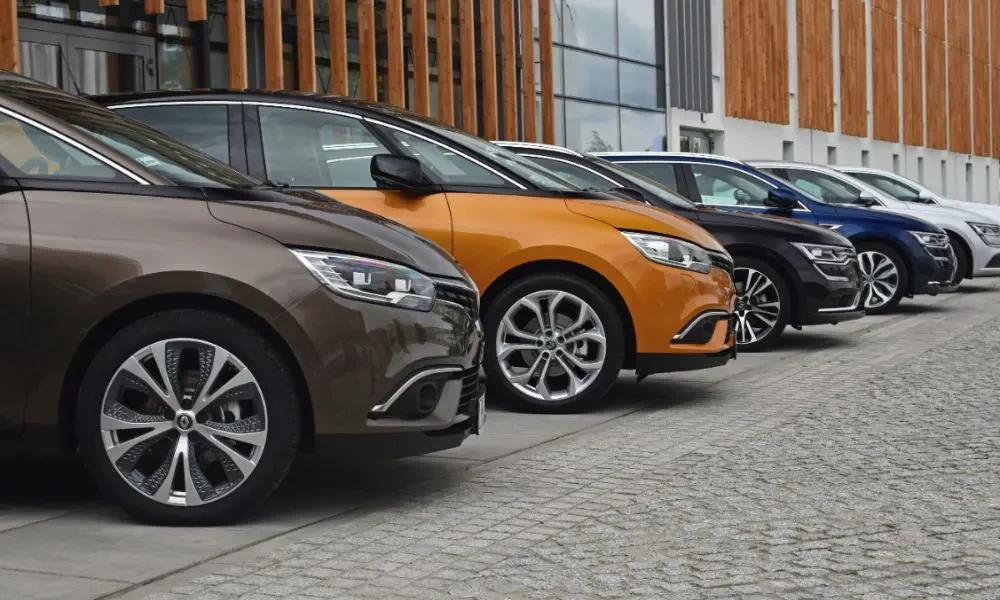
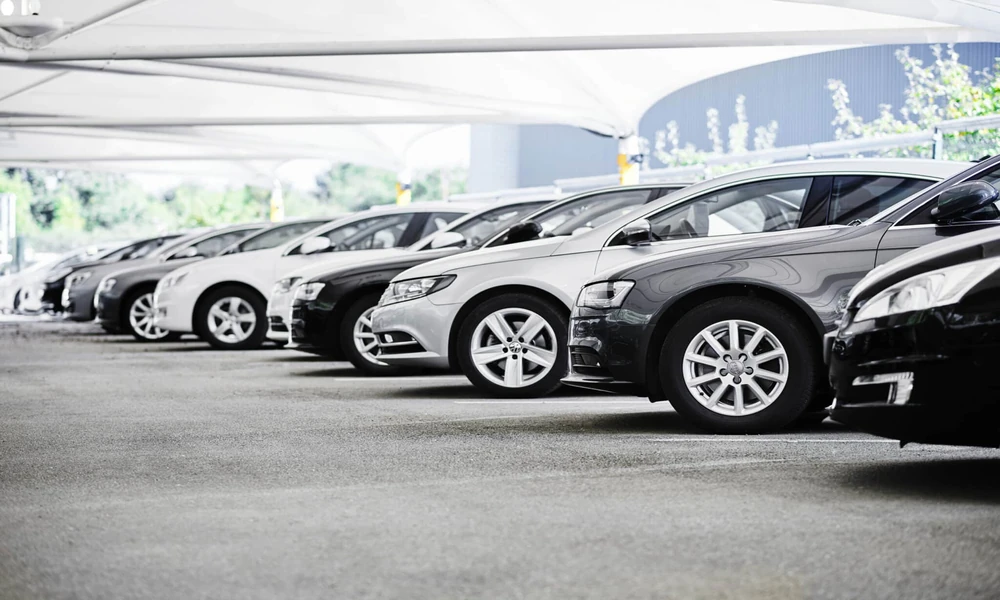
The right body type is the one that fits how a vehicle is used most weeks. Sedans usually cost less to buy and run. SUVs offer more space and a higher seat. Trucks handle towing and heavy loads that the other two cannot. Shoppers comparing used cars in phoenix see all three in large numbers, and price alone rarely settles the choice. A short look at real daily needs usually does.
How Much Will Fuel and Upkeep Cost?
Sedans usually cost the least to run. Their lighter weight and lower shape help fuel economy. Tires and brake parts for sedans are also generally cheaper.
SUVs vary a great deal. Crossovers are SUVs built on a car frame, and smaller ones often come close to sedan fuel economy. Large SUVs with big engines use far more fuel. Trucks generally use the most, especially full size models with large engines.
Purchase prices for used cars in phoenix follow a similar pattern. Used trucks and SUVs tend to hold their value well, so they often cost more than a sedan of the same age. The government site fueleconomy.gov lists official fuel economy figures for each model and year.
Where Will the Vehicle Be Parked?
Parking space can rule out a vehicle before price ever comes up. A large truck may not fit in a standard home garage. Tight apartment parking and narrow city streets favor shorter vehicles. Measuring the garage length and door height before shopping avoids a costly surprise.
Visibility matters in crowded lots as well. Higher seats in SUVs and trucks give a better view of traffic ahead. Their size, however, can hide small objects and children behind the vehicle. A backup camera and parking sensors help in any larger vehicle.
Ranking Needs Before Shopping
Writing needs down and ranking them makes the choice clearer. The list below covers the factors that matter most for most households.
- Number of regular passengers, including child seats
- Size and type of cargo carried each week
- Daily driving distance and fuel budget
- Garage size and parking space at home and work
- Towing needs, including the weight of any trailer
- Road conditions such as dirt roads, steep hills or snow
- Total budget, including insurance and tires
Needs at the top of the list should guide the body type. Lower items can help choose between models within that type.
Matching the Vehicle to the Week
The best fit is the body type that suits a normal week, with rentals covering the rare exceptions. A sedan covers most commuting needs at the lowest cost. An SUV makes sense when its extra space gets used often. A truck earns its higher fuel and purchase costs only when hauling or towing happens regularly.